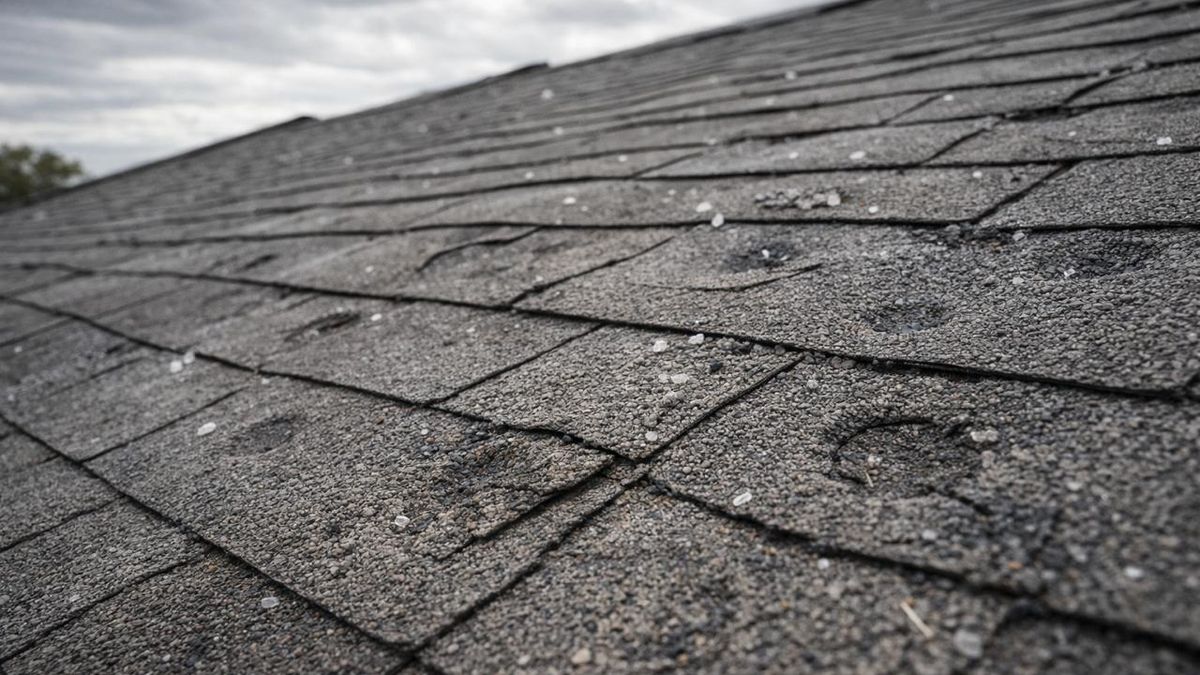
If you live in the Dallas-Fort Worth metroplex, you already know that hailstorms are a fact of life. North Texas sits squarely in "Hail Alley," and every spring and summer, powerful storms roll through leaving billions of dollars in property damage. Your roof takes the brunt of that punishment — and knowing exactly what to do in the hours and days after a hailstorm can mean the difference between a smooth insurance claim and a costly, stressful ordeal.
Here's your complete guide to handling roof hail damage in DFW, from the moment the storm passes to the day your new roof is installed.
1. Stay Safe and Assess the Situation
First things first: do not climb on your roof. After a hailstorm, shingles can be slippery, weakened, or hiding structural damage underneath. Leave the roof inspection to professionals. Instead, do a careful walkthrough of your property from the ground.
Look for these telltale signs of hail damage visible from ground level:
- Dented gutters and downspouts — if your gutters are dented, your roof likely took hits too
- Damaged siding, window screens, or outdoor furniture — these indicate the size and intensity of the hail
- Granules in gutters or at the base of downspouts — asphalt shingle granules washing off is a classic sign of hail impact
- Visible dents or cracks on roof vents, flashing, or skylights
- Water stains on ceilings or in your attic — check inside your home for any new leaks
2. Document Everything
Before you touch anything, document the damage thoroughly. This is critical for your insurance claim. Use your smartphone to take photos and video of:
- Damaged areas on the ground (siding, AC units, fences, vehicles)
- Gutters showing dents or granule accumulation
- Any visible roof damage from ground level
- Interior water damage (ceilings, walls, attic)
- Close-ups of dented metal surfaces — these help establish hail size
Also note the date, time, and approximate duration of the storm. Check local weather reports for official hail size measurements in your area — this information strengthens your claim significantly.
3. Prevent Further Damage
If your roof has an active leak, take reasonable steps to prevent further interior damage. Place buckets under drips, move furniture and valuables away from the affected area, and cover items with plastic sheeting. If there's a significant breach, call a roofing company for emergency tarping — most reputable roofers offer this service and can have a tarp in place within hours.
Keep receipts for any emergency expenses, as your insurance policy typically covers reasonable mitigation costs.
4. Contact Your Insurance Company
File your claim as soon as possible. Most homeowners' insurance policies in Texas have a one-year deadline for filing hail damage claims, but earlier is always better. When you call your insurance company:
- Provide the date of the storm and a general description of the damage
- Ask about your deductible and what your policy covers
- Request a claim number and the name of your assigned adjuster
- Ask about the timeline for the adjuster's inspection
Important Texas tip: Texas law allows you to choose your own contractor — you are not required to use the insurance company's preferred vendor. Choose a local, reputable roofer who will advocate for you.
5. Get a Professional Roof Inspection
This is the most important step. Have a qualified roofing professional inspect your roof before the insurance adjuster arrives. A good roofer will:
- Perform a thorough inspection of your entire roof system
- Document all hail damage with detailed photos
- Identify damage that untrained eyes might miss (bruised shingles, cracked underlayment, damaged decking)
- Provide a written estimate for repairs or replacement
- Be present during the adjuster's inspection to point out all damage
At Pro Roofing DFW, we provide free storm damage inspections and work directly with your insurance company throughout the entire claims process. Our team knows exactly what adjusters look for and ensures nothing is overlooked.
6. The Insurance Adjuster Visit
When the adjuster comes to inspect your roof, make sure your roofing contractor is there too. The adjuster works for the insurance company — your roofer works for you. Having both parties present ensures a fair and thorough assessment.
After the inspection, you'll receive a scope of work and settlement offer from your insurance company. Your roofer should review this document carefully to make sure all damage is accounted for. If the initial offer seems low, your contractor can help you file a supplement for additional damage.
7. Your Post-Storm Inspection Checklist
Use this checklist to stay organized after a DFW hailstorm:
- Stay off the roof — assess from ground level only
- Photograph all visible damage (exterior and interior)
- Note the storm date, time, and reported hail size
- Mitigate active leaks (tarps, buckets, plastic sheeting)
- File your insurance claim promptly
- Schedule a professional roof inspection
- Have your roofer present for the adjuster's visit
- Review the insurance scope and settlement offer
- Choose a licensed, insured roofing contractor
- Keep copies of all documents, photos, and correspondence
Red Flags: Avoid Storm Chasers
After every major hailstorm in DFW, out-of-town "storm chasers" flood the area, going door-to-door offering cheap repairs. Be extremely cautious. These companies often do substandard work, use cheap materials, and disappear before warranty issues arise. Look for these red flags:
- No local address or established DFW presence
- Asking you to sign a contract before the inspection
- Offering to pay your deductible (this is insurance fraud in Texas)
- Pressuring you to decide immediately
- No proof of insurance or licensing
Choose a roofing company that's established in the DFW community, carries proper insurance, and has verifiable local references.
Ready for Your Free Inspection?
If your DFW home has been hit by a hailstorm, don't wait. The sooner you have a professional assessment, the smoother your repair process will be. Pro Roofing DFW offers free storm damage inspections, works directly with your insurance, and stands behind every job with industry-leading warranties.